
Answer Engine Optimization (AEO) and Generative Engine Optimization (GEO) have changed the rules: visibility now depends on letting the right bots access the right content—without letting scrapers, impersonators, or grey-zone agents run wild.
The challenge is that most organizations still rely on WAFs or basic bot controls. These tools excel at pattern matching and rate limiting, but they fall short when facing today’s reality: grey-zone bots that blur the line between legitimate automation and abuse. A research crawler today might become a content thief tomorrow. A misconfigured AI agent might look human—until it starts exfiltrating pricing data or hammering your APIs.
WAFs typically force coarse decisions: block or allow based on IP, user-agent, or simple rules. That either annoys real users (false positives) or leaves blind spots (sophisticated evasion). Marketers end up with a painful trade-off: protect the site and risk hurting rankings or open up and invite leakage.
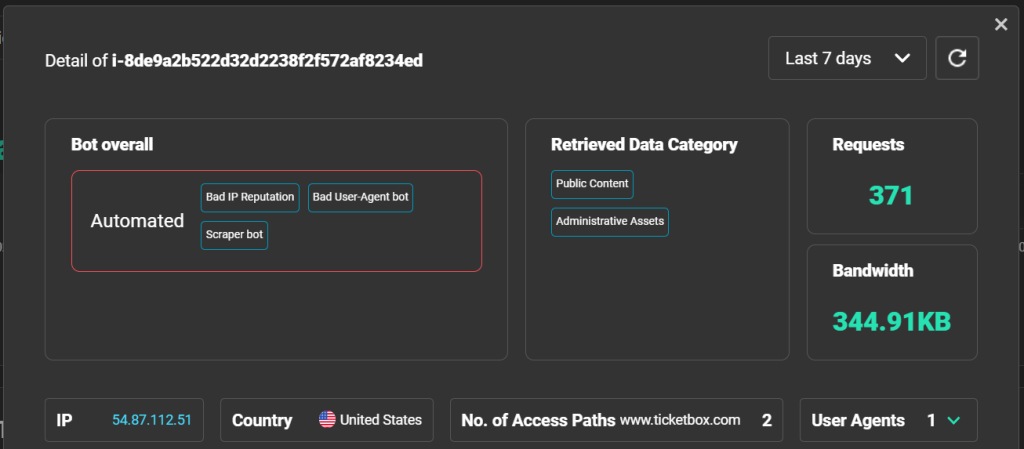
The better path is intent classification plus visitor-level control. Modern bot management platforms like IntelliFend analyze behavior across sessions—not just headers. Its VisitorTag technology combines device fingerprinting, cookie continuity, IP signals, and multi-layer correlation to build a true visitor profile.

-
- Allow verified search bots full crawl on blog/public content
- Throttle AI crawlers on high-value or gated sections
- Monitor grey-zone agents without immediate disruption
- Block impersonators and obvious scrapers on login/API endpoints
No pressure, just clarity. Get in touch: